
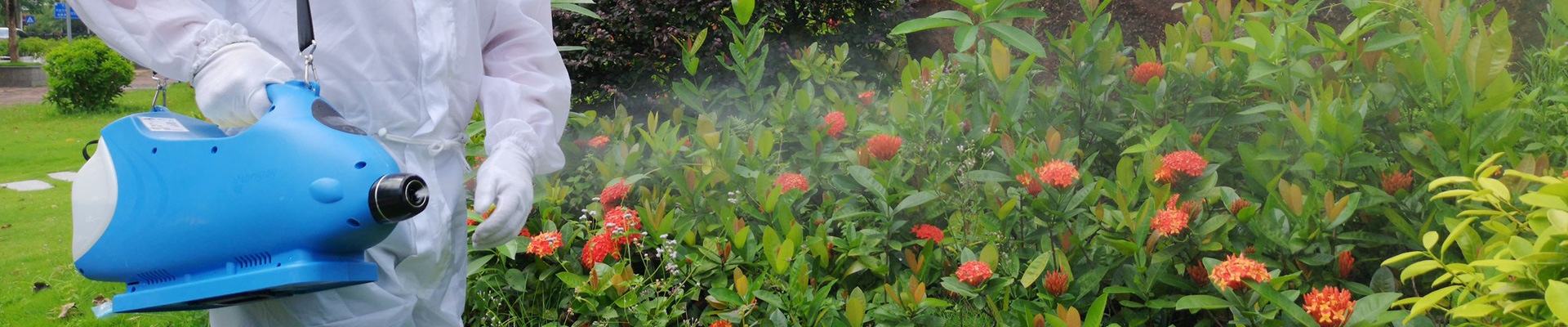
Agricultural Fogger Machine: 5 Farm Pest Control Benefits 2026
Modern agriculture requires effective crop protection, efficient spraying methods, and reliable pest management solutions. An Agricultural Fogger Machine helps farmers and agricultural professionals apply suitable treatment solutions as fine droplets for specific pest-control applications. Depending on the machine type, crop, and approved formulation, fogging equipment can support pest management in farms, orchards, greenhouses, and other agricultural environments.In 2026, farmers are increasingly looking for efficient agricultural spraying equipment that supports consistent application and helps manage labour requirements. Understanding the benefits of an agricultural fogger machine can help you select the right equipment for your crop protection needs.
What Is an Agricultural Fogger Machine?
An agricultural fogger machine is equipment designed to disperse compatible liquid formulations as fine droplets. Depending on the technology, it may use thermal energy or mechanical airflow to generate fog or mist for targeted applications. Thermal foggers produce a visible fog, while ULV (Ultra-Low Volume) cold foggers generate fine droplets without using heat to create the mist. The appropriate machine depends on the crop, treatment objective, application environment, and product-label requirements.

5 Benefits of an Agricultural Fogger Machine for Farm Pest Control
1. Efficient Crop Pest Management
Insects and other agricultural pests can affect plant health, crop quality, and farm productivity. An appropriately selected Fogging Machine can help distribute approved pest-control formulations across targeted areas.
Fine droplets may reach parts of plant canopies that are difficult to access with some conventional application methods. However, actual effectiveness depends on Pest Behaviour, Droplet Size, Weather Conditions, crop structure, and correct application practices.
2. Improved Spray Coverage
Consistent spray distribution is important for effective crop protection. Agricultural fogging equipment can generate fine droplets that move through suitable target areas, helping operators treat foliage and other intended surfaces.
For orchards, greenhouses, and selected agricultural applications, choosing the right equipment and adjusting the application settings can improve coverage. Farmers should consider airflow, nozzle performance, droplet size, and wind conditions to reduce unwanted spray drift.
3. Better Time and Labour Management
Large farms and agricultural operations may require substantial time to complete repeated crop-protection treatments. Suitable powered fogging equipment can help operators cover designated areas more efficiently than certain manual methods.
Portable, backpack, and vehicle-mounted options provide different levels of mobility and operating capacity. Selecting equipment according to field size and treatment requirements can help streamline agricultural spraying operations and support better work planning.
4. Flexible Solutions for Different Agricultural Environments
Agricultural fogging equipment is available in different configurations for different applications. Thermal foggers may be appropriate for certain outdoor pest-management operations, while compatible ULV cold foggers may suit selected greenhouse or enclosed agricultural environments.
The correct choice depends on the intended treatment, approved Chemical Formulation, Temperature Sensitivity, Ventilation, and manufacturer instructions. Not every fogger is suitable for every crop or pesticide, so checking compatibility before use is essential.
5. Support for More Precise Application Planning
Efficient crop protection requires more than selecting a powerful machine. Farmers should identify the target pest, monitor infestation levels, choose an appropriate treatment, and apply it at the recommended rate.
When properly calibrated and operated under suitable conditions, fogging equipment can support a planned pest-management programme. Integrating equipment with crop monitoring and other integrated pest management practices can help reduce unnecessary treatments and protect beneficial organisms.
How to Choose the Best Agricultural Fogger Machine
Before purchasing an agricultural fogger machine, consider these important factors:
Farm size: Select equipment that matches the area requiring treatment.
Fogging technology: Compare thermal foggers and ULV cold foggers according to the intended application.
Crop requirements: Check whether the equipment and formulation are suitable for the crop and target pest.
Capacity and portability: Consider tank capacity, weight, operating time, and ease of transportation.
Maintenance and support: Review spare-parts availability, cleaning requirements, warranty, and after-sales service.
Safety and compliance: Follow pesticide labels, local regulations, protective-equipment requirements, and manufacturer instructions.

Why Choose Longray Agricultural Fogging Solutions?
Longray provides fogging equipment solutions for pest control and related professional applications. When evaluating equipment for agricultural use, compare the specifications of the relevant Longray model with your field conditions, treatment requirements, and approved formulation. Review product details, operating instructions, equipment compatibility, and available technical support before making a purchase. Choosing a suitable machine based on practical requirements can help agricultural professionals develop a more effective and manageable crop-protection workflow.
Conclusion
An agricultural fogger machine can support farm pest management through suitable spray coverage, efficient application, flexible equipment choices, and improved treatment planning. The best results depend on choosing the right technology, calibrating the machine correctly, and following approved application practices. Explore Longray fogging solutions to identify equipment that matches your agricultural application requirements. Contact the Longray team for product specifications and guidance on selecting an appropriate model.
Frequently Asked Questions
1. What is an agricultural fogger machine used for?
An agricultural fogger machine disperses compatible liquid formulations as fine droplets for specific pest-management and other approved agricultural applications.
2. Which is better for agriculture: a thermal fogger or a ULV cold fogger?
Neither is universally better. Thermal foggers use heat to produce fog, while ULV cold foggers create fine droplets mechanically. Choose according to crop requirements, application conditions, and formulation compatibility.
3. Can a fogging machine help control crop pests?
It can support selected pest-control treatments when the equipment, pesticide, target pest, and application method are appropriate. Effectiveness depends on correct use and environmental conditions.
4. How do I choose the right agricultural fogger machine?
Compare farm size, required coverage, machine capacity, portability, droplet characteristics, maintenance support, and compatibility with the intended treatment.
5. Is an agricultural fogger machine suitable for greenhouses?
Some ULV cold foggers may be suitable for specific greenhouse applications. Confirm that the equipment and treatment are approved for the crop, environment, and intended use, and follow ventilation and re-entry instructions.
6. What safety precautions should farmers follow when fogging?
Use only approved formulations, wear the protective equipment specified on the label, avoid unsafe wind conditions, protect workers and non-target organisms, and follow all operating and re-entry instructions.

CONTACT US:
Tel :+86-134-2518-2762
E-mail : trade@szlrkj.com
Add : 1503, Block 1B, Intelligence Park, Baolong Avenue, Longgang District, Shenzhen, Guangdong Province, China
Copyrights © 2026 & All Rights Reserved by Longray